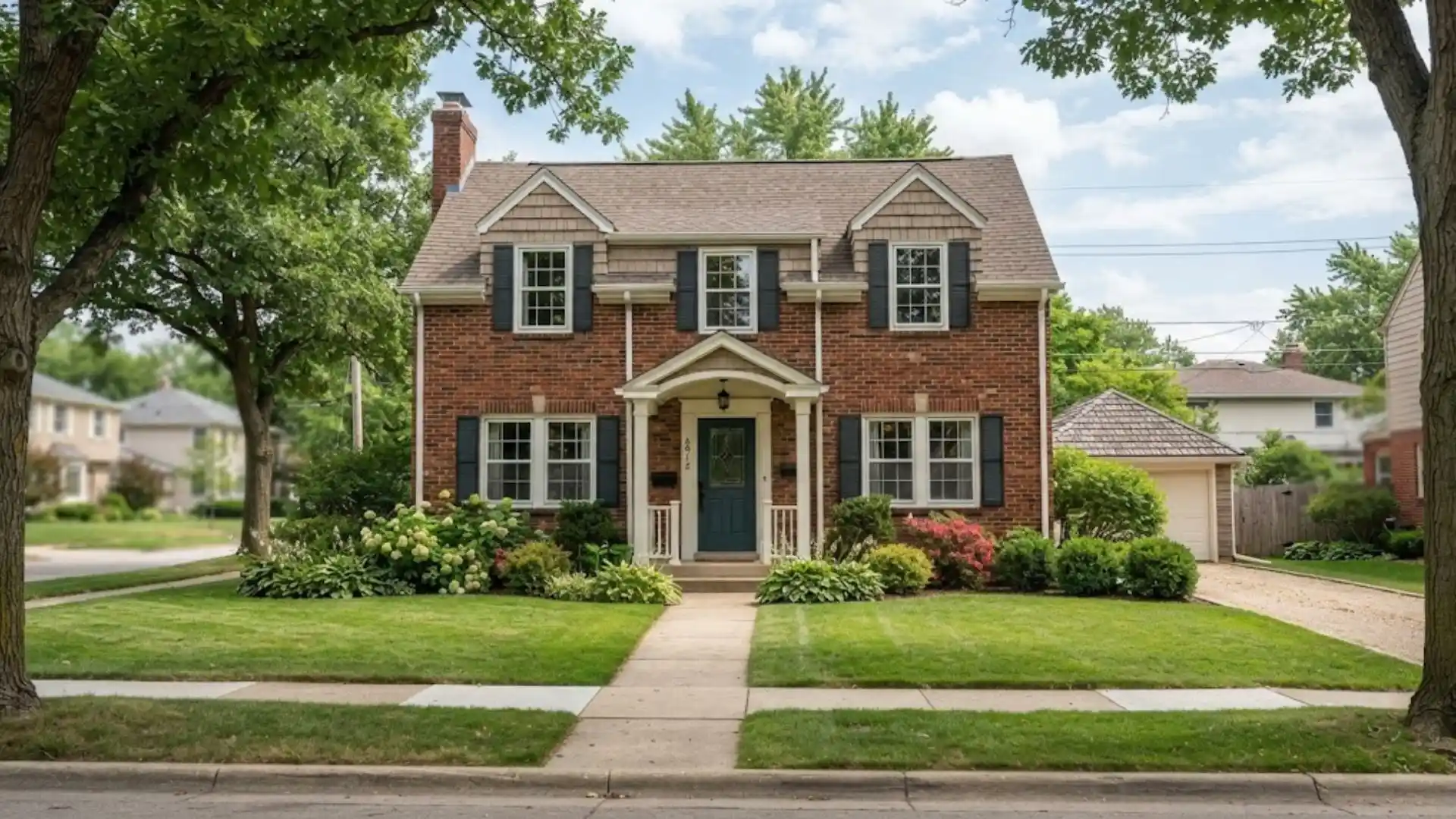
Pleasant Grove's older neighborhoods (the Old Fort, Grove Creek, Battle Creek, and the streets closest to the historic Main Street corridor) carry real charm and often more mature landscaping and larger lots than newer construction elsewhere in the city. They also carry a higher likelihood of past water damage or mold issues that a seller may not fully disclose, whether out of oversight or because a past repair looks cosmetically complete without addressing the underlying cause. A careful walkthrough before making an offer can catch signs worth investigating further.
Start In The Basement
Basements are the single most useful place to check in an older Pleasant Grove home, given how common clay-soil moisture issues are in this area. Look along the base of foundation walls for discoloration, efflorescence (a white, powdery mineral deposit left behind by evaporated water) or any section of drywall or paneling that looks newer or slightly different in texture from the surrounding wall, which can indicate a past repair. A musty smell in the basement, even without visible staining, is worth noting and asking about directly.
Check Ceilings Below Bathrooms
If the home has a bathroom on an upper floor, check the ceiling directly below it for any staining, texture inconsistency, or a slightly different paint sheen that might indicate a past repair following an upstairs leak. This is one of the more common sources of hidden past water damage in a two-story home, and a repair that only addressed the visible stain without fixing the underlying leak source can mean the same problem is quietly ongoing.
Look At The Attic If You Can Access It
An attic inspection, even a quick one, can reveal condensation-related staining on the underside of the roof sheathing, which as covered in one of our other posts is the source of the vast majority of attic moisture issues rather than an actual roof leak. Widespread staining across multiple rafters, rather than concentrated near one specific spot, points toward a longer-term ventilation issue rather than a one-time event.
Ask About Sump Pumps And Window Wells Directly
If the home has a sump pump, ask when it was last replaced and whether it has a battery backup, since an aging or unreliable sump pump is a real risk factor in a home with a documented flooding history. Ask specifically whether any window wells have ever overflowed, since sellers aren't always required to volunteer this if there's no current, visible damage to point to.
Consider A Mold Inspection As Part of Due Diligence
For a home with any of the signs above, or simply given its age, a professional mold inspection as part of your due diligence period can provide an objective, documented assessment rather than relying on a visual walkthrough alone. This is a relatively small cost compared to the size of a home purchase, and it can either confirm there's nothing to worry about or give you a documented basis for renegotiating if something significant turns up.
What To Do If You Find Something Concerning After Closing
If you've already purchased a home and are noticing signs described above, a mold testing or general water damage assessment can determine whether what you're seeing is an active, ongoing issue or old, already-resolved evidence of a past event. This distinction matters for how urgently it needs to be addressed and what it will cost to fix.
This same due diligence approach applies to older housing stock throughout Utah County, including comparable neighborhoods in Provo and American Fork.
Questions To Ask The Seller Directly During A Showing
Beyond a visual walkthrough, a few direct questions can surface information a seller might not volunteer unprompted. Ask specifically when the water heater was last replaced, since an aging water heater is one of the more common sudden-failure water damage causes in older homes. Ask whether the basement has ever been professionally waterproofed, and if so, when and by whom, since this can indicate the seller was aware of a moisture issue significant enough to warrant that investment. Ask directly whether any insurance claims have been filed for water, fire, or mold damage during the seller's ownership, sellers aren't always required to volunteer this, but many will answer honestly if asked directly rather than leaving it to a general disclosure form to surface.
What A Home Inspector May Miss That A Specialist Might Catch
General home inspectors cover a broad range of systems in a limited time window, which means subtle water damage or mold signs sometimes get a brief mention without the deeper investigation a specialist would apply. If a general inspection report flags "some staining" or "minor moisture signs noted" in a basement or attic, treat that as a cue to bring in a more focused assessment before closing, rather than assuming a brief mention means the issue is minor. The cost of a follow-up specialist assessment during your due diligence period is almost always smaller than the cost of discovering a significant issue after you've already closed on the home.
Finally, don't let genuine water damage history automatically disqualify a home you otherwise love — many older Pleasant Grove homes with a documented past issue have been properly repaired and pose no ongoing risk, as long as you've confirmed the underlying cause was actually addressed rather than just cosmetically covered.
None of this is meant to discourage buying an older home in Pleasant Grove. Many of the city's most desirable properties are older homes with real character that newer construction doesn't replicate. The goal is simply making an informed decision rather than an uninformed one.
Pleasant Grove's blend of historic charm and modern updates means most older homes here have been well cared for over the years. A careful inspection simply confirms that rather than assuming it by default, which protects both the buyer and, in most cases, confirms good news about a well-maintained property.
The Bottom Line
Older Pleasant Grove homes aren't inherently riskier than newer construction, but they do carry a longer history during which water damage could have occurred. A careful walkthrough focused on basements, ceilings below bathrooms, and attics, combined with direct questions to the seller, helps surface issues worth investigating before you're the one responsible for them.