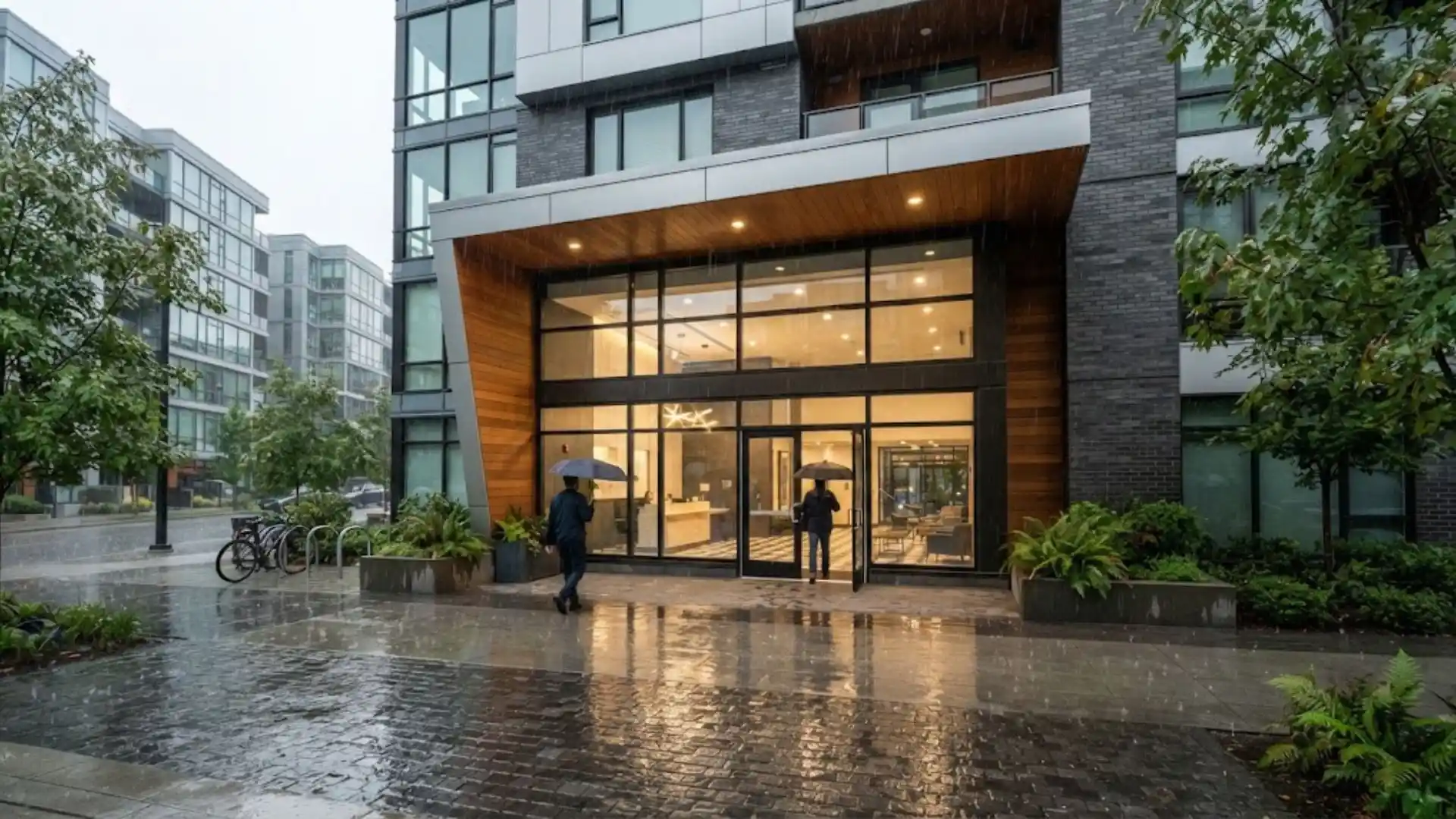
Utah County's mix of university-adjacent rentals in Provo, newer apartment developments in Lehi, and single-family rental homes scattered throughout Pleasant Grove and neighboring cities means we field a steady number of water damage calls involving a landlord-tenant relationship rather than a single homeowner. The responsibility question that follows almost every one of these calls, who pays for what, has a more nuanced answer than most people expect.
The General Split
As a broad pattern across most lease agreements and landlord insurance policies, the structure of the building itself (walls, flooring, plumbing, and the building's own fixtures) typically falls under the landlord's responsibility and their property insurance. A tenant's personal belongings, including furniture, electronics, clothing, and other possessions, are generally the tenant's own responsibility, usually covered, if at all, by a renter's insurance policy rather than the landlord's coverage. This split matters because a landlord's policy addressing structural water damage restoration doesn't automatically mean a tenant's damaged belongings are covered under that same policy.
Where It Gets More Complicated
The cause of the water damage often determines responsibility more than a simple structure-versus-contents split. A pipe that fails due to normal wear and building age is typically a landlord and building-insurance matter. Water damage caused by tenant negligence, such as an overflowing bathtub left unattended, or a washing machine hose that a tenant knew was failing but didn't report, can shift some responsibility toward the tenant, depending on the specific lease terms and how clearly negligence can be established.
Why Reporting Speed Matters More In Rentals
One pattern we see more often in rental properties than owner-occupied homes is a delay between when a leak starts and when it's reported. A tenant might notice a small, slow leak but not consider it urgent enough to contact a landlord immediately, especially if it's not affecting their daily use of the space. That delay can allow a minor, easily addressed leak to develop into a larger water damage and even mold issue by the time restoration is finally called. This is worth keeping in mind as a tenant, since reporting a leak promptly protects both the property and your own living space.
What This Means For Documentation
Because a single water damage job can sometimes involve both a landlord's insurance claim for the structure and a tenant's renter's insurance claim for belongings, we document damage to both the property and any affected tenant belongings separately, with photos and a written scope for each, so both claims have the documentation they need rather than a single combined report that doesn't clearly separate the two.
What To Do As A Tenant
If you're renting and discover water damage, report it to your landlord or property manager immediately rather than waiting, document the damage yourself with photos before anything is touched or moved, and check whether you have a renter's insurance policy that covers water damage to your belongings, since this is often a relatively low-cost policy that many renters don't realize they're missing.
What To Do As A Landlord
Prompt response to a tenant-reported leak limits both the physical damage and the potential for a habitability dispute if repairs are delayed. Commercial water damage restoration processes apply similarly to multi-unit rental buildings, where a leak in one unit can affect neighboring units and requires coordinated communication with each affected tenant.
This landlord-tenant dynamic plays out across Utah County's rental-dense areas, including near Brigham Young University in Provo and in newer rental developments throughout Lehi.
What A Typical Rental Water Damage Job Involves
When we respond to a rental property, the first conversation is usually with whoever called, sometimes the tenant, sometimes the property manager or landlord, establishing who else needs to be looped in before work begins. If it's a tenant who called, we typically ask them to notify their landlord or property manager as soon as possible if that hasn't already happened, since access arrangements, particularly for anything beyond emergency mitigation, usually need landlord awareness and approval. We document the loss thoroughly regardless of who initiated the call, since that documentation often needs to serve multiple parties with different interests in the outcome.
What Renter's Insurance Actually Costs And Covers
Renter's insurance is often surprisingly affordable relative to the protection it provides, frequently costing a modest amount per month for meaningful coverage of personal belongings, along with liability protection that a landlord's policy doesn't extend to a tenant's possessions or personal liability. For Utah County renters, particularly in higher-density areas like Provo near BYU or newer developments in Lehi, a renter's policy is worth the relatively small cost given how disruptive an uninsured water damage loss to personal belongings can be, especially for tenants who may not have significant savings set aside to replace furniture, electronics, or clothing on short notice.
A Simple Step Both Sides Can Take Today
Landlords can reduce disputes significantly by clearly stating reporting expectations in the lease itself, how quickly a tenant should report any sign of water damage, and through what channel. Tenants, in turn, benefit from documenting the condition of a unit at move-in with photos, which protects both parties if a water damage question arises later about whether an issue was pre-existing or new.
And regardless of which side of this relationship you're on, keeping a simple written record of any water-related maintenance requests and responses, even informal ones like a text message, creates a helpful paper trail if a disagreement about timeline or responsibility comes up later.
Whichever side of this relationship you're on, clear and prompt communication tends to resolve most situations without a dispute. Most water damage disagreements we've seen stem from delayed reporting or unclear expectations rather than genuine disagreement about who's responsible once the facts are established.
Utah County's rental market continues to grow across Provo, Lehi, and the surrounding cities, which makes this landlord-tenant clarity increasingly relevant for a larger share of local water damage calls each year.
The Bottom Line
Structure and building systems are typically a landlord's responsibility; personal belongings are typically a tenant's. The cause of the damage and how quickly it was reported both affect where responsibility actually lands in a specific case, which is why clear communication and prompt reporting matter for both sides.