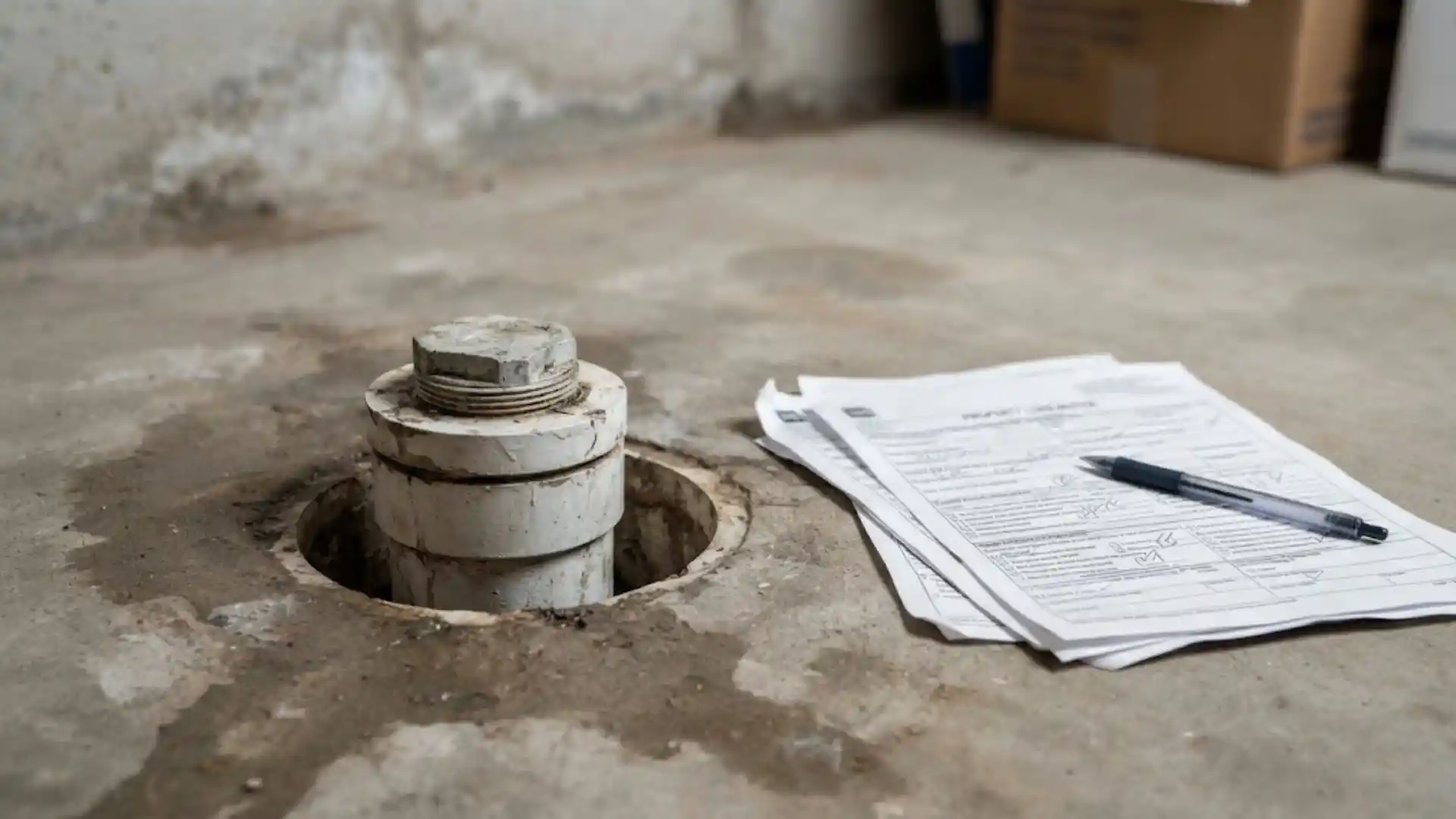
A sewage backup is one of the more unpleasant surprises a Pleasant Grove homeowner can face, and the insurance question that follows it catches a lot of people off guard: many standard homeowner policies exclude sewer and drain backup by default, unless a specific endorsement was purchased separately.
Why This Coverage Gap Exists
Standard homeowner policies are generally built to cover sudden, accidental damage, a pipe that bursts, a water heater that fails. Sewer backup sits in a gray area for many insurers, since it's sometimes associated with maintenance issues, like tree roots infiltrating an aging lateral line, rather than a purely sudden and accidental event. Because of that distinction, many carriers treat sewer backup as an optional add-on rather than baseline coverage, even though the resulting cleanup and contamination risk is just as serious as any other water loss.
What Sewer Backup Endorsement Typically Covers
When a homeowner has added this endorsement, it typically covers cleanup and repair costs when wastewater backs up into a home through a drain, toilet, or other fixture, whether the cause is a municipal line issue, a blocked or damaged lateral line connecting the home to the main sewer, or a sump pump failure that allows backup. Coverage limits on these endorsements vary significantly by carrier, and some policies cap sewer backup coverage well below the policy's overall dwelling coverage, which is worth checking rather than assuming it matches your full coverage amount.
Why This Matters More In Older Pleasant Grove Neighborhoods
Homes near Pleasant Grove's historic downtown corridor and other established neighborhoods often connect to older lateral lines, sometimes original clay or cast-iron pipe that's been in the ground for decades. Tree root intrusion into these older lines is a common, gradually worsening cause of backups, and a homeowner who's never experienced a backup before might not think to check this specific coverage until after the first incident happens.
What To Do Before An Event Happens
Call your insurance agent and ask specifically whether your policy includes sewer and drain backup coverage, and if not, what it would cost to add it. This endorsement is often inexpensive relative to the coverage it provides, particularly compared to the cost of a full sewage cleanup after an uncovered event. If your home has had even one backup before, it's also worth having the lateral line inspected with a camera, since a single incident is sometimes an early sign of root intrusion or a partial blockage that will worsen gradually rather than resolve on its own.
What To Do If A Backup Happens
Contaminated water from a sewer backup, classified as Category 3 water, carries bacteria and pathogens that make DIY cleanup a real health risk. Sewage backup cleanup follows a stricter protocol than a standard water loss, porous materials that contacted the contaminated water, including carpet and some drywall, are generally removed rather than dried, and all affected surfaces are disinfected with EPA-registered products before the space is considered safe again. Whether or not your policy ultimately covers the event, thorough documentation at the time of the loss, including photos and a written scope of work, supports whatever claim process follows.
This coverage gap isn't unique to Pleasant Grove; homeowners throughout Utah County, including in Provo's older neighborhoods near similarly aging infrastructure, should check the same policy detail.
How Much Sewer Backup Endorsements Typically Cost
Sewer backup endorsements vary by carrier, but they're generally one of the more affordable add-ons available on a standard homeowner policy, often adding a relatively modest amount to an annual premium for a meaningful amount of added coverage, frequently in the range of a few thousand to ten thousand dollars or more in backup-specific coverage, though exact limits and costs depend entirely on your specific carrier and policy. Given that a moderate sewage backup cleanup can easily run several thousand dollars once contaminated materials need replacing, the math on this endorsement tends to favor adding it for most homeowners, particularly those in older neighborhoods with aging lateral lines.
What Happens If You Find Out You're Not Covered After The Fact
If a backup happens and you discover your policy doesn't include this coverage, you're not without options, but the process looks different than a typical claim. You'll be paying for cleanup out of pocket in the near term, though keeping thorough documentation (photos, an itemized invoice, and any plumber's assessment of the cause) still matters, both for your own records and in case a future dispute arises about whether the cause should have been covered under a different part of your policy, such as sudden and accidental water damage more broadly rather than the sewer-backup-specific exclusion.
Checking Your Existing Policy Today
Pull out your current policy declarations page or call your agent this week, before you need this information during an actual emergency. A five-minute phone call now, confirming whether you have this coverage and what it would cost to add if you don't, is a much better position to be in than discovering the answer during the stress of an active sewage backup.
And if you've recently had any plumbing work done, including replacing a water heater or having a drain snaked, it's a reasonable moment to double check this coverage too, since major plumbing work is sometimes when people first think to review their broader coverage picture.
If you've never had a reason to think about this coverage before, a burst pipe or sewage backup at a neighbor's house is often what prompts people to finally check their own policy. There's no need to wait for that kind of reminder; a five-minute call to your agent settles the question either way.
Utah County's mix of older and newer housing stock means this coverage gap affects a wide range of homeowners, not just those in historic neighborhoods, so it's worth checking regardless of when your home was built or how new the plumbing looks on the surface.
The Bottom Line
Don't assume sewer backup is automatically covered under a standard homeowner policy, check with your agent specifically, and consider adding the endorsement if it isn't already included, especially if your home connects to an older lateral line.