Basement mold in Pleasant Grove comes from two distinct sources, and telling them apart matters for the fix. The first is flood-triggered: a spring snowmelt event, a burst pipe,…
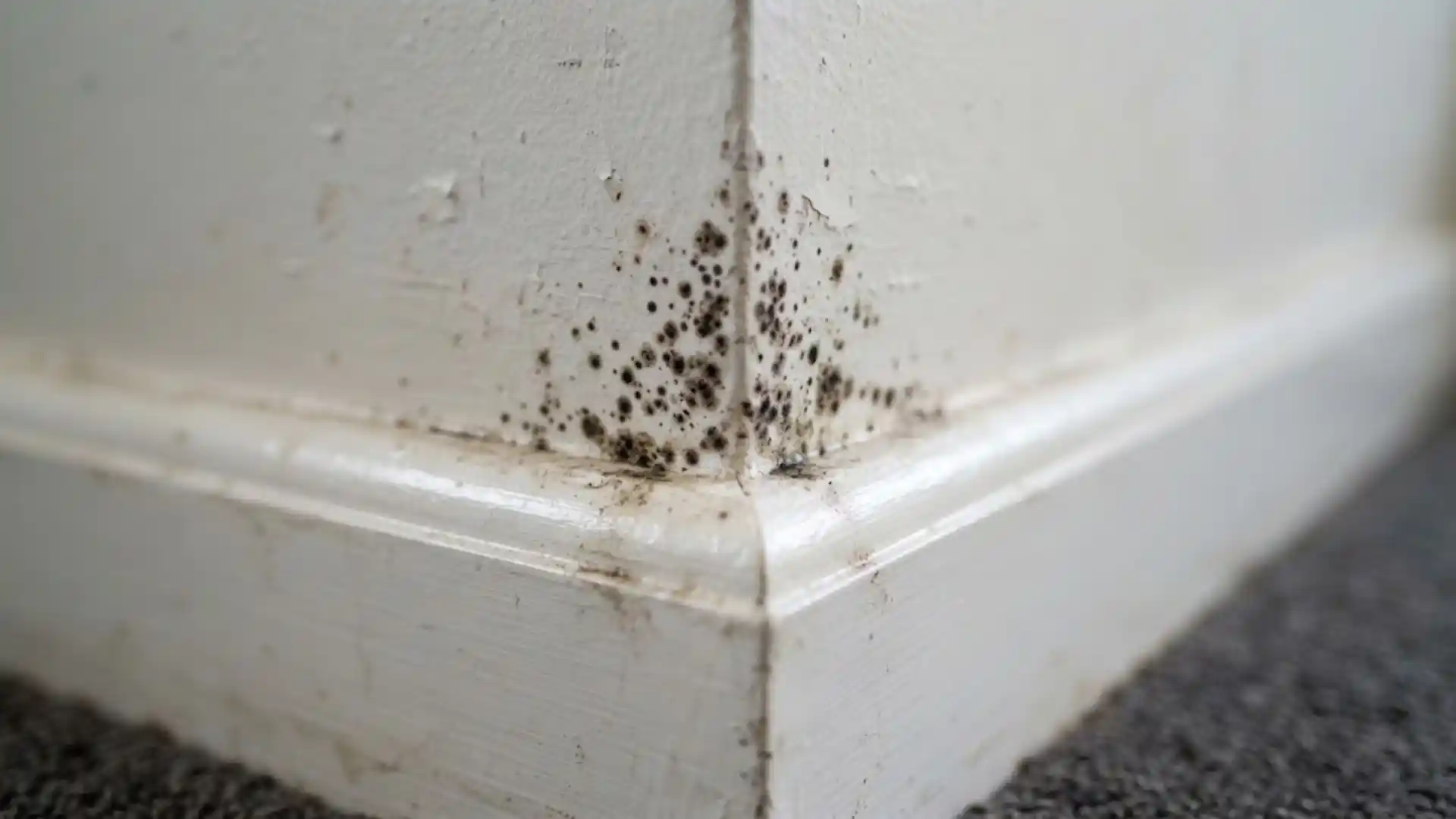
Basement mold in Pleasant Grove comes from two distinct sources, and telling them apart matters for the fix. The first is flood-triggered: a spring snowmelt event, a burst pipe, or an upstairs leak that went undried long enough for mold to establish in drywall or framing. The second is ongoing groundwater moisture wicking up through the slab or foundation walls from the surrounding Lake Bonneville lakebed clay, with no discrete flood event at all.
A finished basement adds complexity, since drywall, carpet, and framing installed against a foundation wall can trap moisture against the wall assembly in a way that's not visible until mold or a musty smell shows up. Removal in these cases usually means opening up affected wall sections to address what's happening behind the finished surface, not just treating what's visible.
If you're planning to finish or refinish a Pleasant Grove basement that's had a mold issue in the past, it's worth having the space evaluated before drywall goes back up, even if no active mold is currently visible, since finishing over an unresolved moisture pathway is one of the more common ways we see basement mold recur years after an initial remediation.
When we open a finished basement wall to address mold, we typically extend the opening slightly beyond the visibly affected area, since mold spreading through a wall cavity is often larger than what's visible at the surface where it was first noticed.
If mold is found in a shared wall between a finished and unfinished area of the basement, we check both sides, since mold can spread through a stud cavity in ways that aren't visible from either room alone.
Mold following an undried basement flood or upstairs leak.
Ongoing moisture through the slab or foundation from clay soil.
Low airflow allowing humidity to settle, especially in finished spaces.
Recurring minor flooding from an undersized or failing sump system.
A crew can begin assessment today.
Determining whether the cause is a past flood or ongoing moisture.
Sealing off the work area to prevent spore spread to the rest of the home.
Removing affected drywall, insulation, or framing that can't be salvaged.
Addressing the underlying moisture source alongside the remediation.
Ranges are typical starting points. A same-day, no-obligation assessment confirms exact scope and price in writing before work begins.
Costs rise substantially when a wall has to be opened to address hidden mold behind a finished surface, compared to surface-level mold that can be treated without demolition, which is part of why an accurate initial assessment matters for setting realistic budget expectations.
A typical basement mold call involves a homeowner noticing a musty smell near a specific section of finished wall, with no memory of ever having a flood in that area — which often turns out to trace back to a slow, long-term moisture issue rather than a single discrete event.
Mold that's grown undisturbed in a wall cavity for an extended period sometimes extends further than a homeowner realizes, since it can spread along wall studs and behind adjacent sections of drywall well beyond the point where the first sign became visible.
Location and pattern are the clues: mold near a known leak or flood line points to a past water event, while mold spread evenly along a foundation wall more often points to ongoing groundwater moisture.
No, painting over mold doesn't remove it and can trap moisture behind the paint, allowing the mold to continue growing unseen.
Only if the underlying moisture source is addressed first; refinishing over an unresolved moisture problem typically leads to a repeat mold issue.
Yes, when basement mold followed a flood or leak, we can quote a single job covering both the water damage and the mold remediation.
Yes, it's worth confirming the original moisture source was fully resolved before finishing over it, since an unresolved pathway can lead to the same mold problem recurring behind new drywall.
Call now for emergency dispatch anywhere in Pleasant Grove and Utah County.
☎ Call (385) 410-8926