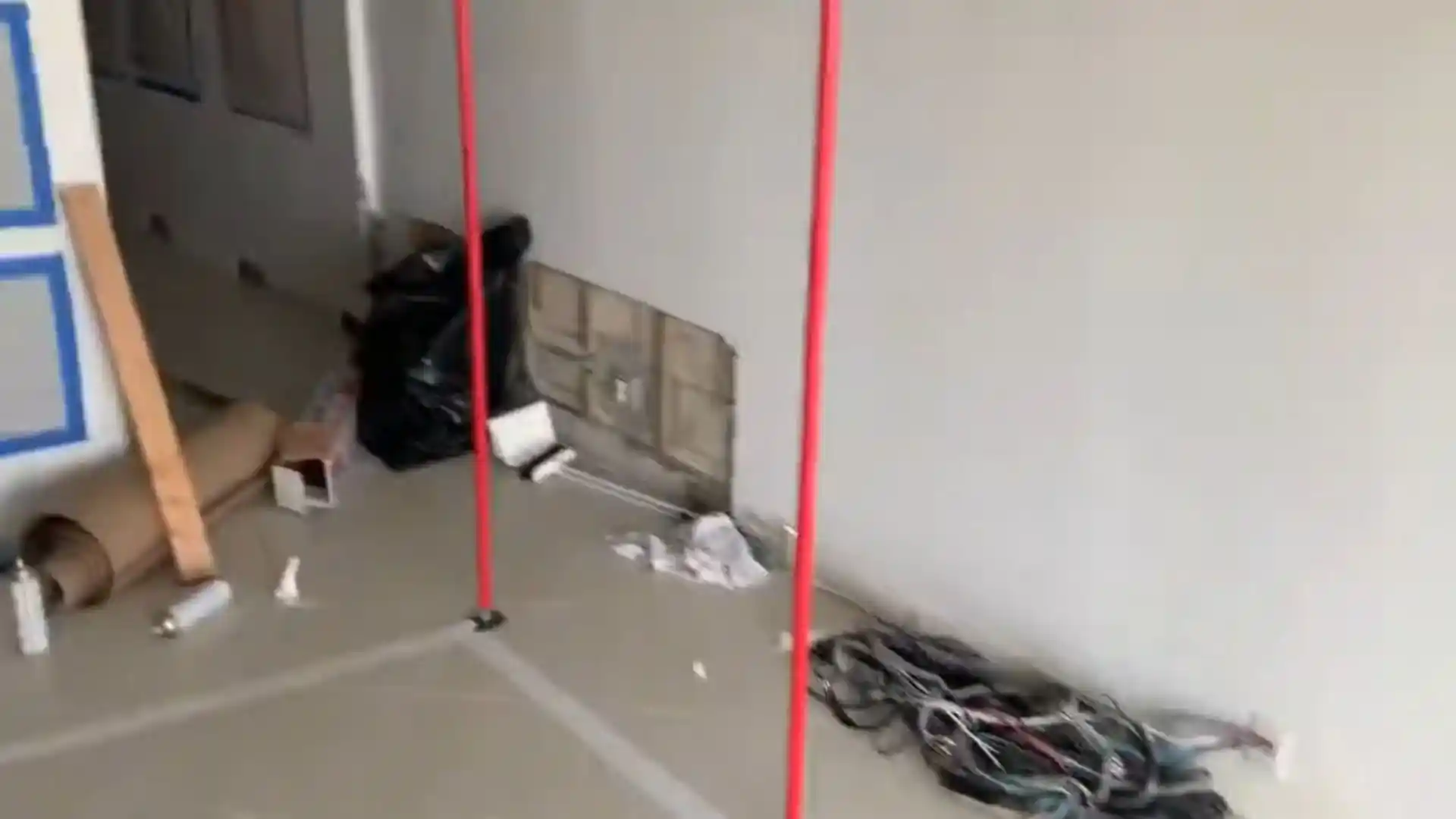
Mold damage repair is the rebuild step that follows remediation, replacing drywall, insulation, trim, and flooring that had to be removed to eliminate mold, and restoring the…
Mold damage repair is the rebuild step that follows remediation, replacing drywall, insulation, trim, and flooring that had to be removed to eliminate mold, and restoring the space to its pre-damage condition. In Pleasant Grove, this most often follows a basement or ceiling mold job where affected materials couldn't be cleaned and had to be cut out instead.
We coordinate repair directly with the remediation team so there's no gap between clearance testing and rebuild starting, and so materials go back in only after moisture levels are confirmed safe, avoiding a repeat of the same problem behind new drywall.
We use moisture-resistant drywall and, where it makes sense for the space, other water-resistant materials when rebuilding after a mold job in a basement or bathroom, since standard drywall in a location prone to future moisture exposure is more vulnerable to a repeat problem than materials chosen specifically for that risk.
We schedule rebuild work to begin as soon as clearance testing comes back, minimizing the gap between remediation and repair so a space isn't left open and exposed longer than necessary, which also reduces the chance of new contaminants settling into the area before rebuild begins.
We prime and seal repaired drywall with a mold-inhibiting product as a standard step, given the moisture history of most spaces needing this kind of repair.
We keep leftover matched paint and a note of the exact products used in case a small touch-up is needed down the road.
Before closing out a repair job, we do a final walkthrough with you to confirm the finished area meets your expectations, not just our own internal checklist.
We also stand by the repair work itself, and we're easy to reach afterward if anything about the finished area needs a second look down the road.
Drywall and framing repair after mold-affected material removal.
Rebuild after mold remediation tied to an earlier flood or leak.
Restoring roof sheathing or ceiling drywall after attic mold removal.
Reframing and finishing basement walls after moisture-related mold removal.
A crew can begin assessment today.
Verifying the space passed post-remediation clearance testing.
Replacing any structural or insulation materials that were removed.
Installing new drywall, texture, and paint to match the space.
Confirming the repair matches the pre-damage condition.
Ranges are typical starting points. A same-day, no-obligation assessment confirms exact scope and price in writing before work begins.
Repair costs are typically quoted separately from remediation costs, since one covers the safe removal of contaminated material and the other covers rebuilding what was removed; homeowners comparing quotes should confirm whether a competitor's number includes both stages or just one.
A typical repair project following mold remediation involves replacing a section of drywall roughly the size of what was actually affected, plus a bit extra at the edges where the remediation crew intentionally opened beyond the visible mold to be thorough.
Delaying rebuild after remediation leaves a space exposed to new dust, debris, and potential recontamination for longer than necessary, which is part of why we aim to move from clearance testing into rebuild as quickly as scheduling allows.
Yes, we can coordinate remediation and rebuild as a single project so there's no delay between clearance and repair.
Clearance testing confirms mold spore levels have returned to a normal range before any new materials go back in.
We match trim, texture, and paint as closely as possible to the surrounding area, though some materials may need to be sourced from a different batch.
It depends on what caused the mold; repair tied to a covered water loss is often included, while repair for a long-term maintenance issue may not be.
Where it makes sense, yes, moisture-resistant drywall and other water-resistant materials are often a better long-term choice for basements and bathrooms than standard materials, given the moisture history of the space.
Call now for emergency dispatch anywhere in Pleasant Grove and Utah County.
☎ Call (385) 410-8926