Basement water removal focuses specifically on the extraction step for below-grade spaces, which behave differently from the rest of a home during a water loss. Basements sit…
Basement water removal focuses specifically on the extraction step for below-grade spaces, which behave differently from the rest of a home during a water loss. Basements sit against Pleasant Grove's Lake Bonneville lakebed clay, which holds groundwater longer than the sandier soils found elsewhere in Utah County, so even after visible water is pumped out, moisture can keep pushing through the slab and walls for days if the surrounding soil is saturated.
That's why basement extraction jobs typically involve more than a single pump-out visit. We monitor humidity and slab moisture over several days, since groundwater pressure from a wet spring can keep re-wetting a floor that looked dry the day before.
Homes on lower-lying lots near Grove Creek or Battle Creek sometimes deal with basement water intrusion more than once a season, particularly during a wet spring. If that's been your experience, it's worth having us evaluate not just the immediate extraction but whether grading, gutter drainage, or a sump pump upgrade would reduce how often the problem recurs.
We install moisture sensors in a few key spots during extended extraction jobs so we can track whether the slab is actually stabilizing or whether groundwater is still an active factor, rather than relying on a single spot check that might miss ongoing seepage happening in a different part of the basement.
Every basement extraction job gets a final walkthrough with a moisture meter along the full perimeter, not just the area where water was originally visible, since basement moisture tends to spread along the foundation line.
Saturated clay soil pushing moisture through the slab and foundation walls.
Pumps overwhelmed or losing power during heavy snowmelt or a storm.
Burst pipes or failed fixtures draining directly into the lowest point of the home.
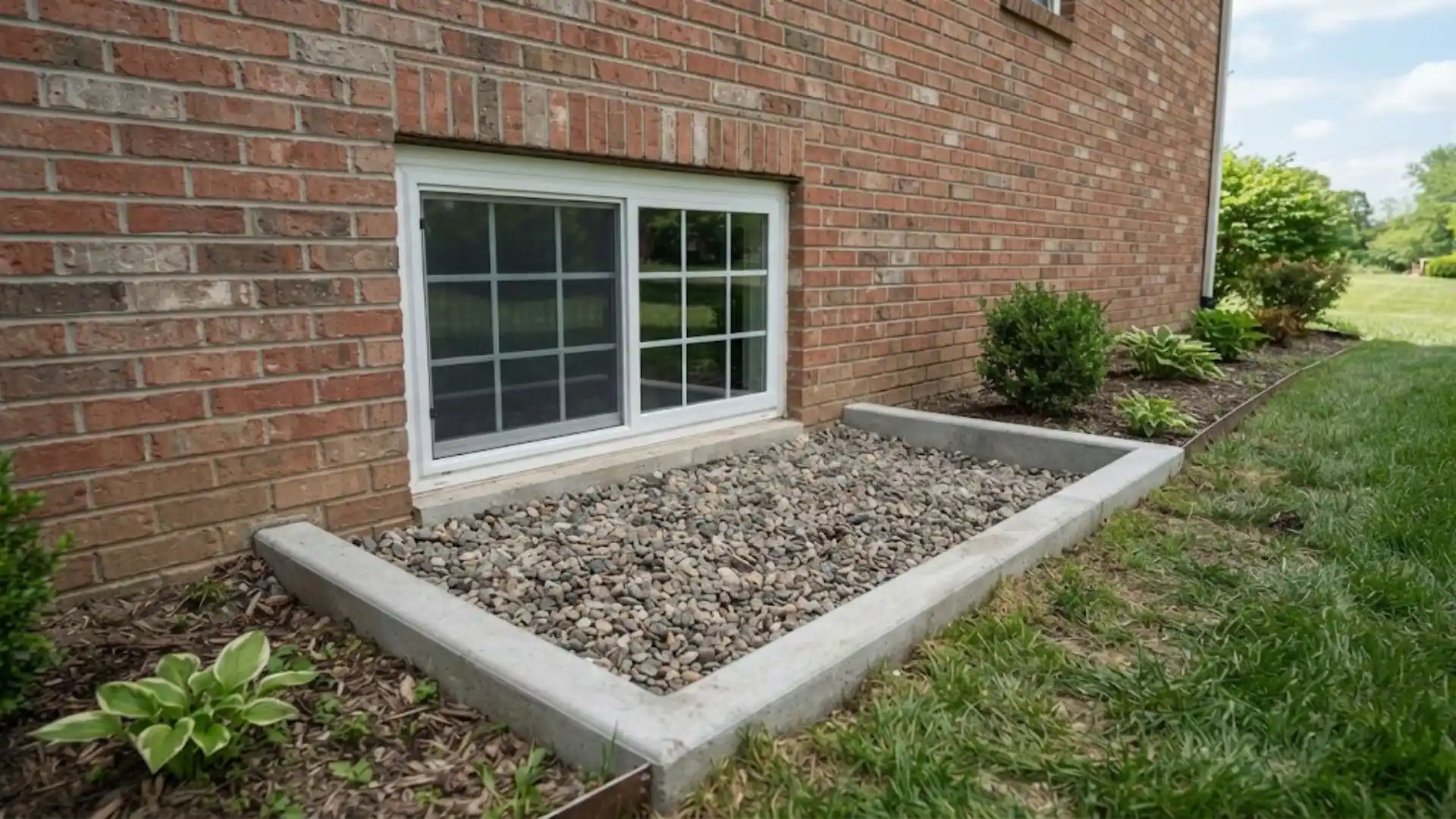
Poorly draining window wells filling during a downpour.
A crew can begin assessment today.
Pump-out of standing basement water.
Testing for ongoing groundwater intrusion through the foundation.
Checking whether an existing sump pump needs repair or backup power.
Multi-day drying with moisture checks to confirm the slab has stabilized.
Ranges are typical starting points. A same-day, no-obligation assessment confirms exact scope and price in writing before work begins.
A basement that requires repeat visits due to ongoing groundwater intrusion costs more overall than a single-event extraction, simply because of the additional monitoring days involved. We flag this possibility upfront when clay-soil saturation looks like an active factor, rather than surprising a homeowner with follow-up charges later.
A typical basement extraction call in a home near one of Pleasant Grove's creek corridors might involve water that keeps slowly reappearing on the floor even after an initial pump-out, which usually means the surrounding soil is still saturated and pushing moisture through the foundation rather than there being a second, separate leak somewhere.
Homeowners sometimes wait to see if a wet basement will dry on its own before calling, particularly with shallow water. This delay rarely helps, since shallow standing water against a foundation for an extended period still allows moisture to wick into materials even without visibly rising further.
Saturated clay soil around the foundation can keep pushing moisture through for days after a heavy rain or fast snowmelt, even once visible water is removed.
If your basement floods repeatedly during spring runoff, a sump pump with battery backup is one of the most effective preventive investments for Pleasant Grove homes on lower-lying lots.
It depends on the cause; sudden plumbing failures are typically covered, while gradual groundwater seepage often is not without a separate policy endorsement.
We use moisture meters on the slab and walls rather than relying on a visual check, since surface-dry concrete can still be holding moisture underneath.
Recurring seasonal flooding usually points to a specific, addressable issue like poor grading, undersized gutters, or an inadequate sump pump, rather than something inherent to the property that can't be improved.
Call now for emergency dispatch anywhere in Pleasant Grove and Utah County.
☎ Call (385) 410-8926