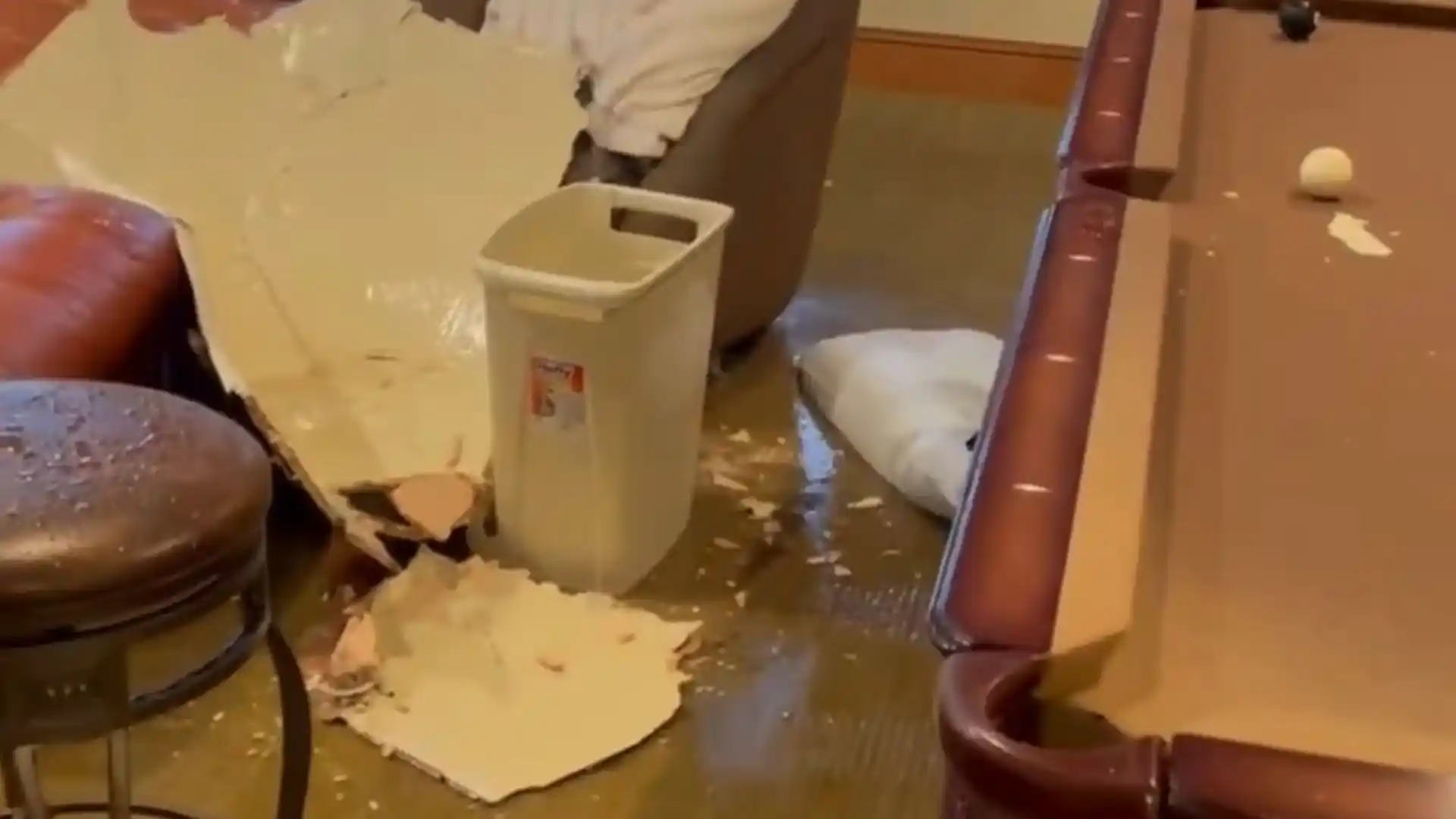
Water removal is the extraction step of a water loss, pulling standing water out of a home or business before it soaks deeper into flooring, drywall, and framing. In Pleasant…
Water removal is the extraction step of a water loss, pulling standing water out of a home or business before it soaks deeper into flooring, drywall, and framing. In Pleasant Grove, the calls we get for water removal cluster around three seasonal patterns: spring snowmelt pushing groundwater up through basement slabs, summer storms entering through window wells, and winter burst pipes releasing hundreds of gallons before anyone notices.
Speed matters more here than almost anywhere else in the restoration process. Drywall begins wicking water upward within hours, hardwood flooring can start cupping the same day, and carpet padding holds moisture long after the surface looks dry. Our extraction equipment is sized for both small residential losses and larger commercial floors, so response time doesn't depend on the size of the job.
For Pleasant Grove homes with finished basements built before modern vapor barrier standards, water removal sometimes uncovers a secondary issue: water that migrated behind a finished wall rather than staying on the visible floor. When that happens, we extend extraction to the affected wall cavity rather than considering the job done once the floor is dry, since leaving hidden moisture behind a wall is one of the most common causes of a mold call weeks later.
For larger residential or light commercial jobs, we bring in truck-mount extraction equipment that moves significantly more water per minute than portable units, which matters most in the first hour of a loss when the difference between fast and slow extraction determines how much material ends up saturated versus simply wet on the surface.
We also check adjacent rooms connected by shared flooring or a hallway, since water rarely respects room boundaries and a loss that started in one space often has a smaller, easy-to-miss footprint next door.
Sudden plumbing failures releasing water faster than it can drain.
Lake Bonneville lakebed clay pushing moisture up through basement slabs.
Water heaters, dishwashers, and washing machines failing without warning.
Rain entering through window wells or foundation cracks.
A crew can begin assessment today.
Shutting off or containing the water source before extraction begins.
Truck-mount or portable pumps to remove bulk water quickly.
Specialized tools to pull water out of carpet padding and subfloor.
Meters confirm the area is dry before drying equipment is removed.
Ranges are typical starting points. A same-day, no-obligation assessment confirms exact scope and price in writing before work begins.
Extraction pricing scales more with the type of surface involved than with square footage alone. A large open basement floor with no carpet is often quicker and less costly to extract than a much smaller carpeted room, since sub-surface extraction from carpet and padding takes meaningfully more time per square foot.
A typical water removal job might start with what looks like a small amount of standing water in a laundry room after a supply line let go, but a walk-through with a moisture meter often reveals the water traveled further than it appears — under a baseboard into an adjacent hallway, or through a floor register into the space below. The visible puddle is rarely the whole story.
Standing water that isn't removed promptly doesn't just sit still; it continues wicking upward into drywall and outward into adjacent rooms, which is why a loss that looked contained to one small area at the time of discovery is sometimes larger by the time a crew arrives hours later.
As soon as possible, ideally within a few hours. Delayed extraction increases the amount of flooring and drywall that has to be replaced instead of dried.
Often yes, if extraction and drying start quickly and the water was clean. Carpet exposed to contaminated water usually needs to be replaced.
Yes, crawlspace extraction and drying is a common need in Pleasant Grove's older homes with lower foundation clearance.
Sudden, accidental water losses are typically covered; we provide documentation to support the claim either way.
We check wall cavities with moisture meters during extraction, and if water has migrated behind a finished wall, that section typically needs to be opened for proper drying rather than left sealed.
Call now for emergency dispatch anywhere in Pleasant Grove and Utah County.
☎ Call (385) 410-8926