Utah County's summer monsoon season brings fast-moving thunderstorms capable of dumping several inches of rain in under two hours, the kind of event that overwhelmed storm drains…
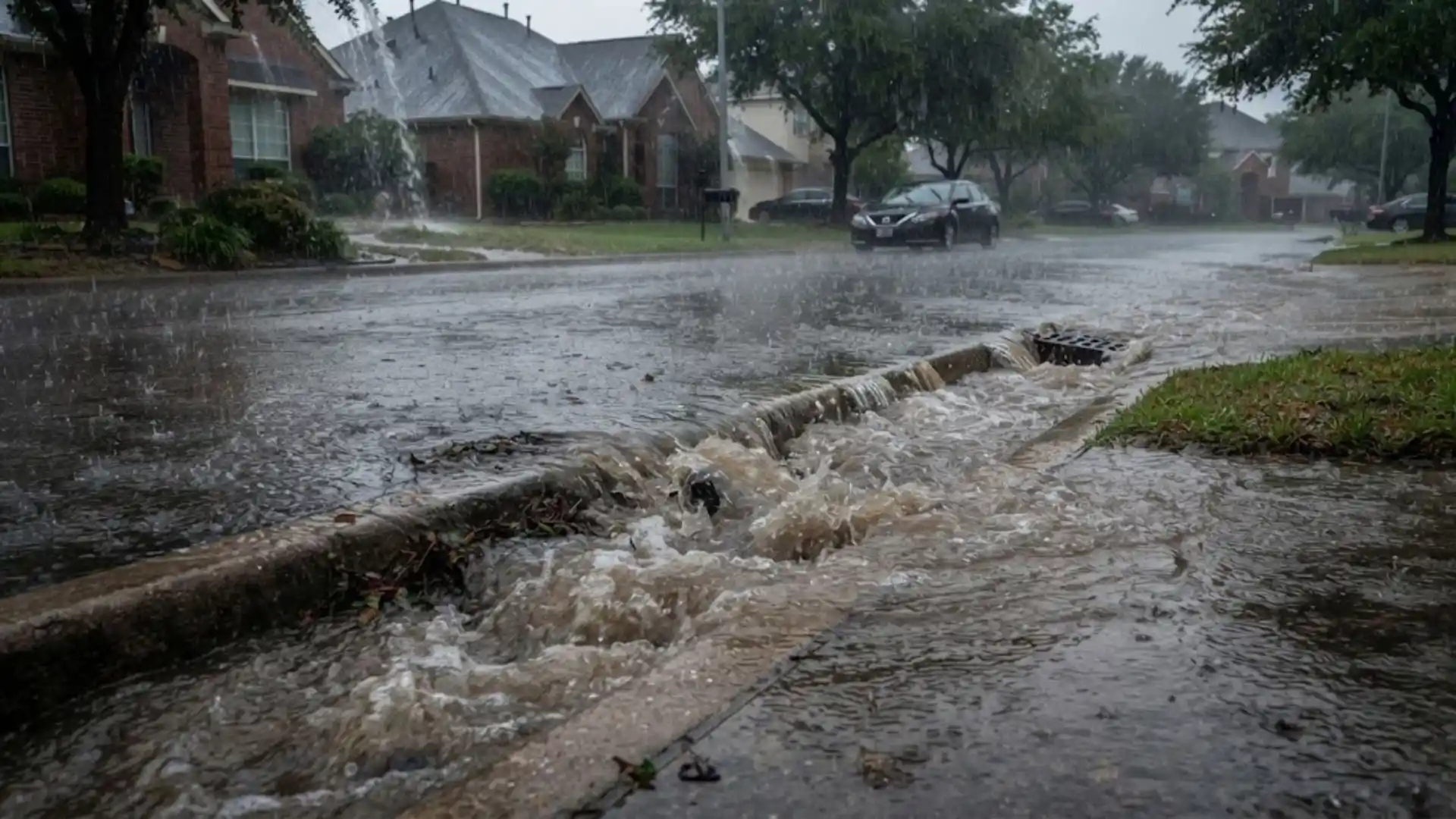
Utah County's summer monsoon season brings fast-moving thunderstorms capable of dumping several inches of rain in under two hours, the kind of event that overwhelmed storm drains across Pleasant Grove, Lindon, and Orem in August 2024. When a storm outpaces what the ground and gutters can carry, water finds its way into window wells, under doors, and through roof flashing that's held up fine in normal rain.
Storm damage restoration covers both the wind and rain side of a storm event: extracting water that's entered through a roof, window, or foundation, drying affected framing and finishes, and repairing any structural damage from wind-driven debris or hail. Because storm events often affect several properties in the same neighborhood at once, having a crew that can mobilize quickly matters more than it does for an isolated single-property leak.
Because storm systems often move through several Utah County cities in the same afternoon, insurance carriers sometimes see a spike in claims from the same event, which can slow adjuster response time. We keep dated, time-stamped documentation of the storm's impact on your property specifically, which helps your claim move independently of how many other Pleasant Grove homes were affected the same day.
Storm damage jobs also involve a documentation step homeowners don't always expect: photographing wind and hail damage to the exterior, like roof shingles or siding, even when the water intrusion itself is minor. Insurance carriers reviewing a storm claim often want to see the full picture of what the storm did to the property, not just the interior water damage, since exterior repair costs are typically part of the same claim.
Summer downpours exceeding what aging drainage infrastructure can carry.
Water pushed through roof flashing, siding gaps, and window seals.
Roof and siding damage that opens a path for water intrusion.
Basement window wells filling faster than drains can clear them.
A crew can begin assessment today.
Inspection of roof, windows, and foundation for the storm's entry points.
Removal of standing water from affected rooms and window wells.
Commercial dehumidifiers and air movers on affected framing and finishes.
Roof, siding, or window repair to close the original entry point.
Ranges are typical starting points. A same-day, no-obligation assessment confirms exact scope and price in writing before work begins.
Cost for a storm damage job depends heavily on how many entry points the storm created, not just the total square footage affected. A single window well overflow is a much smaller job than a roof breach that let rain into an attic and multiple rooms below, even if the visible water on the floor looks similar at first glance.
A typical storm damage call looks something like this: a homeowner comes home during or right after a monsoon downpour to find water pooling near a window well or seeping in along a baseboard on an exterior wall. The rain itself may have already stopped by the time we arrive, but the water that got in during the storm's brief, intense window is still sitting there, and the roof or siding damage that let it in still needs to be found and temporarily sealed before the next storm cell moves through.
Delaying a call after a storm rarely makes the situation better. Water sitting in a window well or against a foundation for even a few extra days increases the odds it finds a way in through a spot that was only marginally sealed before, turning what could have been a contained issue into a larger one.
Yes, we route crews across affected neighborhoods during widespread storm events and prioritize active flooding first.
Most homeowner policies cover sudden storm-related water intrusion; we document the damage to support your claim.
Storm damage typically enters from the roof, windows, or window wells rather than from inside the plumbing system, which changes where we look for hidden moisture.
We can arrange emergency tarping and board-up to stop further water intrusion while a full roof repair is scheduled.
Even minor storm water intrusion is worth documenting, since untreated moisture can develop into a larger mold or structural issue later; a same-day assessment helps you decide whether a claim makes sense for the scope involved.
Call now for emergency dispatch anywhere in Pleasant Grove and Utah County.
☎ Call (385) 410-8926