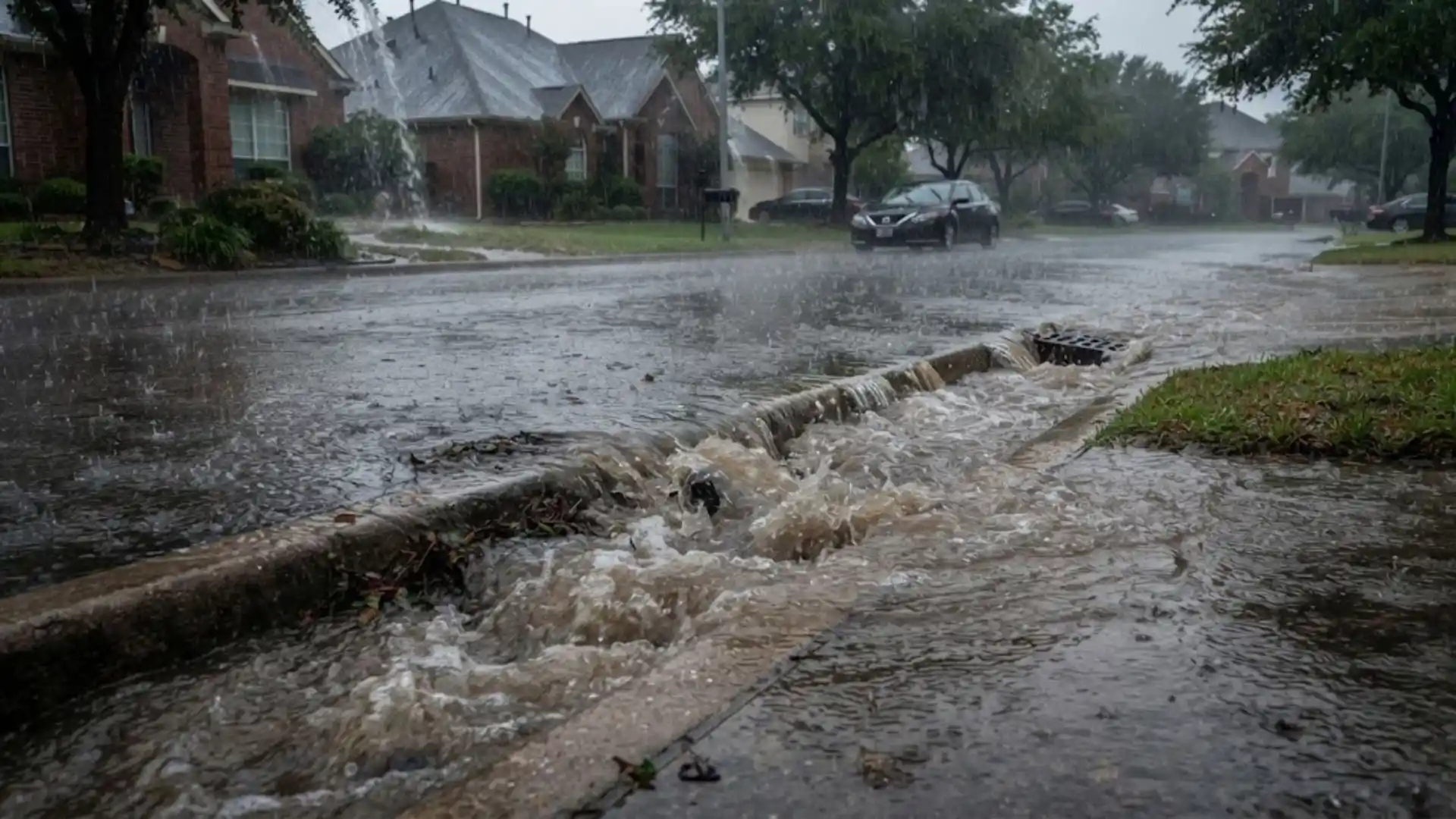
Flood cleanup covers the post-extraction work of getting a Pleasant Grove home or business back to a livable, sanitary condition after standing water is removed, cleaning and…
Flood cleanup covers the post-extraction work of getting a Pleasant Grove home or business back to a livable, sanitary condition after standing water is removed, cleaning and disinfecting affected surfaces, removing debris, and preparing the space for drying and rebuild. It's a distinct step from extraction itself, particularly when floodwater has carried in dirt, sediment, or contamination from outside.
Flood cleanup after a spring snowmelt event or a summer storm often involves more sediment and debris than an indoor plumbing failure would, since water entering from outside can carry soil, leaves, and other material into a basement or crawlspace. That debris has to be cleared before drying equipment can work effectively.
Flood cleanup after a spring snowmelt event sometimes reveals debris that predates the current flood entirely, sediment or organic material that's built up in a crawlspace or window well over multiple seasons. When that happens, we flag it separately from the current loss, since long-term buildup is typically a maintenance issue rather than something a single insurance claim would cover.
Debris removal after a significant flood event sometimes uncovers items that were fully submerged and are no longer safe to keep, particularly anything porous that contacted contaminated water. We document these items with photos before disposal so they can be included in an insurance claim's contents inventory.
We bag and remove debris off-site rather than leaving it piled outside during cleanup, since a debris pile itself can become a moisture and pest issue if it sits for more than a day or two.
We also check gutters and downspouts near the affected area while we're on-site, since a drainage issue that contributed to the flood is worth flagging even if fixing it isn't part of our scope.
We coordinate cleanup timing with any structural drying already underway, since cleanup and drying often need to happen in a specific order to avoid undoing each other's progress.
Snowmelt carrying soil and debris into basements and crawlspaces.
Rainwater entering through window wells or foundation gaps.
Contaminated water requiring disinfection in addition to cleanup.
Clay-soil moisture bringing sediment through foundation cracks.
A crew can begin assessment today.
Clearing sediment, mud, and debris carried in by floodwater.
Cleaning affected surfaces before drying equipment is placed.
Antimicrobial treatment for any contaminated or high-risk areas.
Space prepared and equipment placed for structural drying.
Ranges are typical starting points. A same-day, no-obligation assessment confirms exact scope and price in writing before work begins.
Cleanup costs after a flood event correlate more closely with how much sediment and debris entered the property than with the water volume itself. A shallow flood that carried in a lot of soil from outside can actually mean more cleanup work than a deeper flood of cleaner water.
A typical post-flood cleanup in a Pleasant Grove crawlspace or basement often involves more than just water — leaves, dirt, and general yard debris that rode in with the floodwater and settled once things receded, which needs to be cleared out before drying equipment can actually do its job effectively.
Debris and sediment left in place after a flood create an ongoing moisture source of their own, since wet organic material continues holding humidity in a space even after the original floodwater has receded, which can slow down or undermine an otherwise successful drying effort.
Yes, extraction removes the standing water; cleanup addresses the debris, sediment, and sanitizing needed afterward before drying and rebuild.
It depends on the item and the water's contamination level; porous items exposed to sewage or heavy sediment typically can't be salvaged, while non-porous items usually can be cleaned.
Cleanup itself is usually completed in a day or two, ahead of the multi-day structural drying process.
Yes, EPA-registered disinfectants are used on any surfaces affected by sewage or heavily contaminated floodwater.
We separate pre-existing buildup from the current loss in our documentation, since insurance typically covers cleanup related to the specific flood event rather than longer-term maintenance issues.
Call now for emergency dispatch anywhere in Pleasant Grove and Utah County.
☎ Call (385) 410-8926